
-
 The project is expected to continue into mid-2027, with work planned into 2030 in different phases.
 -
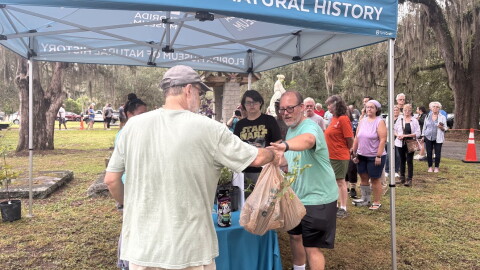 Grace Tucceri/WUFT NewsEarlier this month, the museum teamed up with the City of Gainesville to host Plant for Pollinators: Bees and Trees at Evergreen Cemetery.


-
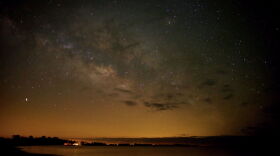 The search for favorable astrophotography conditions has only gotten harder due to changing atmospheric conditions, ash and dust from wildfires and light pollution.
 -
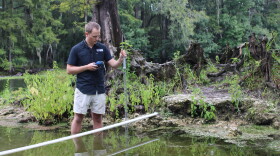 The gushing groundwater that fills crystalline swimming holes in North Central Florida temporarily stopped flowing at nine springs this year. Humans are partly to blame.
 -
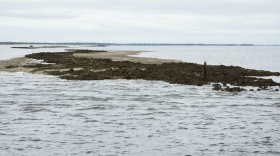 FWC hosted workshops this month to gather feedback on proposed changes as a response to declining oyster populations in the Gulf.
 -
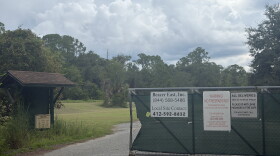 Officials expect remaining remediation work to accelerate after drainage ditch agreement.
 -
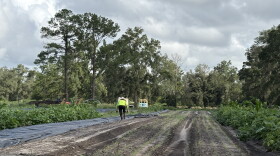 Unpredictable weather has affected which crops can be grown, how much farmers can harvest and how much it costs to grow them.
 -
 The debate surrounding the Florida black bear hunt intensified dramatically after 2025, when the hunt returned after a decade-long hiatus.
 -
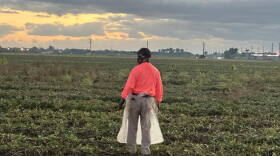 José Delgado worked in agriculture, harvesting everything from tomatoes and squash to beans and sweet potatoes. Over time, working in Florida's heat took its toll.
 -
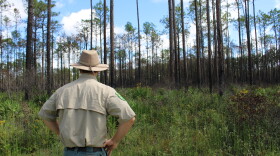 The Cow Creek wildfire burned 2,400 pine-lined acres of Levy County in April. Florida’s millenia-long fire history prepared its plants and pollinators to rebound stronger.
 -
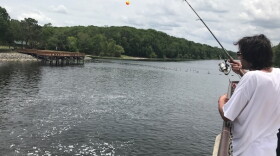 An ongoing environmental debate has found its roots in Putman County's Rodman Reservoir: Should the old dam be taken down, or should the fishing hotspot be maintained?
 -
 According to the U.S. Department of Agriculture, since the disease was first detected, Florida's citrus production has dropped by almost 95%.


