
A Pandemic of Parkinson’s
This series was produced in partnership with the Pulitzer Center







More than 12 million people now have Parkinson’s Disease, nearly double the number from just six years ago. From kids who pedaled behind mosquito trucks in the 1950s and ‘60s to veterans exposed to Agent Orange to landscapers and farmers who attribute their Parkinson’s to pesticides, a generation of elders–and increasing numbers of young-onset patients–now suffer from what we didn’t know about chemicals in the 20th Century.
But what about what
we know today?
- Paraquat, banned in 74 countries and counting, remains legal and widely used on U.S. farms despite its strong link to Parkinson’s – and promises by Trump Administration officials to MAHA voters to ban it.
- Ag giant Syngenta’s recent announcement that it will stop manufacturing paraquat is not expected to slow growing global use. Hundreds of companies around the world manufacture the generic compound. China bans the herbicide to protect its citizens, but exports more than 100 million pounds into the United States each year.
- Under pressure from the chemical industry, the U.S. Environmental Protection Agency also has delayed its ban on the Parkinson’s-linked solvent trichloroethylene, or TCE, which has been shown to greatly increase people’s chances of developing Parkinson’s.
- Drinking rural well water and living near military bases or Superfund sites all pose higher risks for developing Parkinson’s. Yet citizens, including almost a quarter of Americans who live within three miles of one of the nation’s 1,340 Superfund sites in need of clean-up, are not well informed of what’s next door.
University of Florida neurologist Dr. Michael Okun, director of the Norman Fixel Institute for Neurological Diseases, calls Parkinson’s a pandemic being driven far more by chemical exposures than genetics, which account for only about 15% of cases. He says the high burden of proof to ban chemicals in the United States–where the government must prove a chemical is dangerous, as opposed to making manufacturers prove it’s safe–puts current and future generations at risk.
“Perfect, incontrovertible evidence is required by science,” Okun says. “But waiting for perfect, incontrovertible evidence means a lot of people are going to be harmed in the latent period.”
“By telling the story, we can decrease the latent period.”
Poisoned Pathways tells the story of chemical exposure and Parkinson’s Disease.

A Pandemic of Parkinson’s
Parkinson’s disease has now surpassed Alzheimer’s as the fastest-growing neurological disorder in the world. Are chemical exposures to blame?
By Kairi Lowery
Crops and Consequences
Rural communities are at greater risk of Parkinson’s disease. Researchers say that pesticide exposure and drinking well water both increase that risk.
By Katie Shealy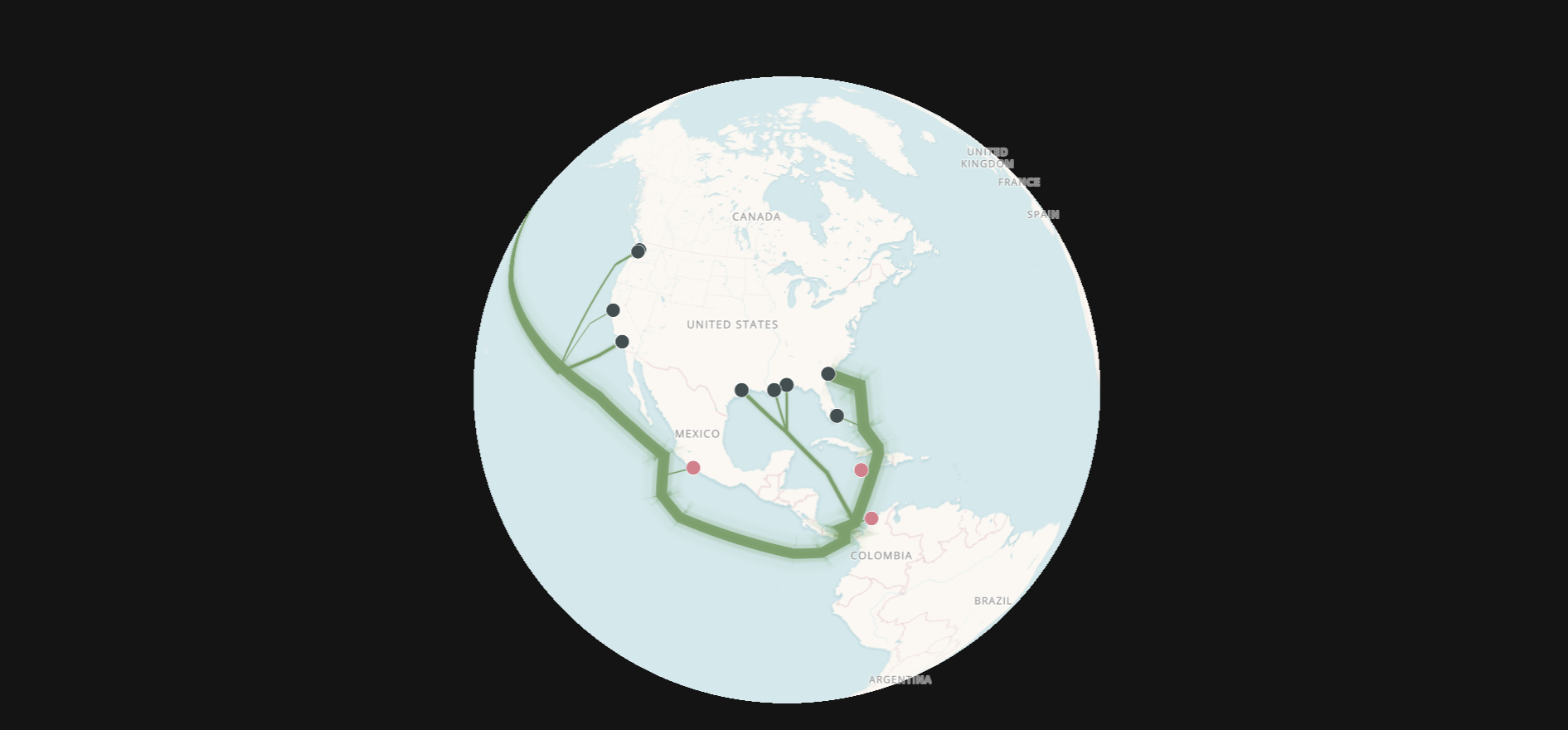
The Global Paraquat Trail
74 countries ban an herbicide that has been linked by research to Parkinson's disease. Some of them still manufacture it to sell to countries that don't ban it, including the United States.
By Alanna F. Robbert
Air, Water and Food
The science of how chemicals can enter the body starting in childhood and ultimately harm the brain.
By Nicole Borman
The Silence
and "the Shakes"
From environmental exposure to clinical bias, Black Americans face special risks—and a tougher road to treatment for Parkinson’s disease.
By Lee Ann Anderson
The Lingering Battle
Military veterans face a higher risk of Parkinson's disease. Chemicals are partly to blame.
By Nicole Borman and Isabela Reinoso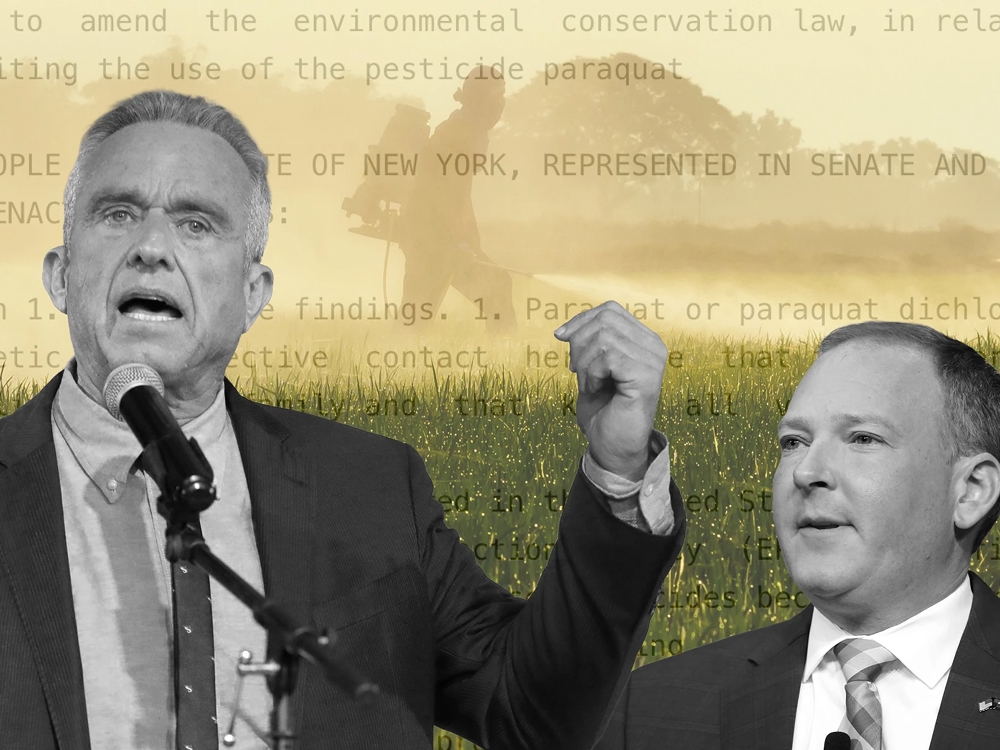
The Policy Cure
Despite calls for its ban by leading Parkinson’s organizations, the politics of pesticide regulation in the United States make paraquat hard to uproot.
By Maria Avlonitis
Poisoned Pathways tells the story of chemical exposure and Parkinson’s Disease.
Learn More